The journey into motherhood is often painted in hues of joy and fulfillment, but for many women, the postpartum period is overshadowed by an invisible adversary: postpartum depression (PPD). Affecting approximately 1 in 7 women, PPD is a complex interplay of emotional turmoil and biological shifts. Recent advances in neuroscience and endocrinology have begun to unravel the biological underpinnings of this condition, offering hope for earlier detection and more targeted interventions.
Hormonal Fluctuations and Beyond
For decades, the dramatic drop in estrogen and progesterone following delivery was considered the primary biological culprit behind PPD. While these hormones undoubtedly play a role, contemporary research reveals a far more intricate picture. The hypothalamic-pituitary-adrenal (HPA) axis, which regulates stress response, appears dysregulated in women with PPD. Cortisol patterns, typically elevated during pregnancy, fail to normalize postpartum in affected mothers. This persistent stress response may create a biological environment conducive to depressive symptoms.
Oxytocin, often called the "love hormone," has emerged as another key player. Lower oxytocin levels during pregnancy and altered oxytocin receptor sensitivity have been consistently associated with increased PPD risk. This finding aligns with oxytocin's known role in bonding and emotional regulation, suggesting that interventions targeting the oxytocin system might offer novel treatment avenues.
Inflammation: The Silent Contributor
The immune system's role in PPD has gained significant attention in recent years. Pregnancy involves a carefully orchestrated modulation of inflammatory responses to accommodate the growing fetus. For some women, this delicate balance goes awry, resulting in excessive inflammation that persists postpartum. Elevated levels of pro-inflammatory cytokines such as interleukin-6 (IL-6) and tumor necrosis factor-alpha (TNF-α) have been identified in women who develop PPD.
This inflammatory hypothesis is particularly compelling because it bridges the gap between known psychosocial risk factors and biological mechanisms. Stress, lack of social support, and socioeconomic challenges—all established PPD risk factors—can promote systemic inflammation. The convergence of these findings suggests that anti-inflammatory strategies, whether pharmacological or lifestyle-based, might help mitigate PPD risk in vulnerable women.
Genetic Predispositions and Epigenetic Changes
The hereditary component of PPD has long been observed in clinical practice, with women who have a family history of depression being at higher risk. Modern genetic studies have begun to identify specific polymorphisms associated with PPD susceptibility. Variations in genes related to serotonin transport (5-HTTLPR), brain-derived neurotrophic factor (BDNF), and the glucocorticoid receptor (NR3C1) appear particularly relevant.
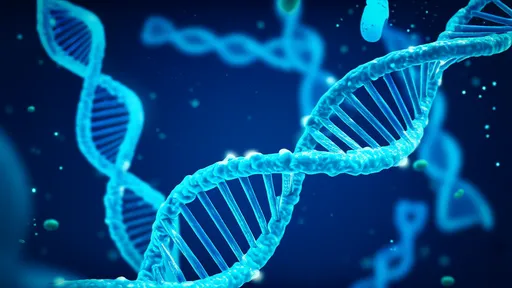
Perhaps more intriguing are the epigenetic modifications that occur in response to pregnancy and childbirth. DNA methylation patterns, which can alter gene expression without changing the underlying genetic code, differ between women who develop PPD and those who don't. These changes often affect genes involved in stress response and neurotransmitter function, providing a potential mechanism by which environmental stressors translate into biological vulnerability.
Neurosteroids and GABAergic Signaling
The postpartum period brings dramatic shifts in neurosteroid levels, particularly allopregnanolone, a metabolite of progesterone that modulates GABA-A receptor activity. Allopregnanolone's rapid decline after delivery may contribute to the anxiety and mood instability characteristic of PPD. This discovery led to the development of brexanolone, the first FDA-approved medication specifically for PPD, which works by restoring allopregnanolone levels.
Research into GABAergic signaling has opened new avenues for understanding PPD's neurobiology. Functional MRI studies reveal altered connectivity in emotional processing networks, particularly between the amygdala and prefrontal cortex, in women with PPD. These findings suggest that the interaction between neurosteroids and neural circuits creates a biological substrate for PPD symptoms.
Metabolomic Signatures and the Gut-Brain Axis
Emerging research has identified distinct metabolic profiles in women with PPD, characterized by alterations in tryptophan-kynurenine pathway metabolites and lipid profiles. These changes may reflect underlying disruptions in neurotransmitter synthesis and cellular energy metabolism. The gut microbiome, which undergoes significant changes during pregnancy, has also been implicated in PPD through its influence on inflammation, tryptophan metabolism, and neuroactive compound production.
Preliminary studies suggest that specific microbial signatures during pregnancy might predict PPD risk, raising the possibility of probiotic or dietary interventions. The bidirectional communication between gut microbiota and the brain—the gut-brain axis—offers a promising framework for understanding how peripheral biological changes can influence mood regulation.
Toward Personalized Prevention and Treatment
The growing understanding of PPD biomarkers holds tremendous potential for transforming clinical practice. Rather than relying solely on symptom-based diagnosis, clinicians may soon be able to identify at-risk women through biomarker panels combining hormonal, inflammatory, and genetic markers. Such approaches could enable preemptive interventions before symptoms emerge.
Current treatment strategies often follow a trial-and-error approach, but biomarker profiling could guide personalized treatment selection. A woman with prominent inflammatory markers might benefit most from anti-inflammatory strategies, while another with neurosteroid imbalances might respond better to GABAergic modulators. This precision medicine approach could significantly improve treatment outcomes while reducing unnecessary medication exposure.
As research progresses, the integration of multiple biomarker systems—endocrine, immune, genetic, neural, and metabolic—will be crucial for capturing PPD's biological complexity. Large-scale longitudinal studies tracking women from pregnancy through the postpartum period are needed to validate these findings and establish clinically useful predictive models.
The identification of reliable PPD biomarkers represents more than just a scientific achievement; it offers the promise of transforming maternal mental healthcare. By bringing objective measures to a condition long shrouded in subjectivity and stigma, biomarker research could revolutionize how we prevent, diagnose, and treat postpartum depression, ultimately improving outcomes for mothers and their children worldwide.
By /Jul 21, 2025

By /Jul 21, 2025
By /Jul 21, 2025

By /Jul 21, 2025
By /Jul 21, 2025

By /Jul 21, 2025
By /Jul 21, 2025
By /Jul 21, 2025

By /Jul 21, 2025

By /Jul 21, 2025

By /Jul 21, 2025

By /Jul 21, 2025
By /Jul 21, 2025

By /Jul 21, 2025
By /Jul 21, 2025

By /Jul 21, 2025

By /Jul 21, 2025
By /Jul 21, 2025

By /Jul 21, 2025

By /Jul 21, 2025