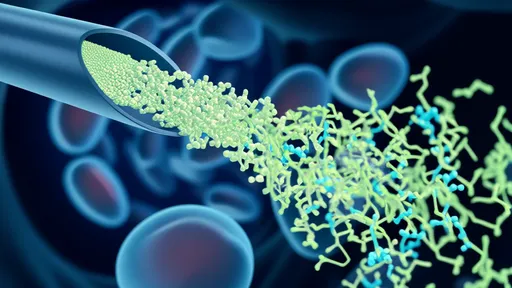
The field of telomerase activation has witnessed remarkable progress in recent years, particularly in the development of advanced delivery systems designed to enhance the efficacy and precision of telomerase-targeted therapies. As researchers delve deeper into the mechanisms of cellular aging and cancer, the need for sophisticated delivery platforms has become increasingly apparent. These systems must navigate complex biological barriers while ensuring targeted action to avoid off-target effects that could compromise safety or therapeutic outcomes.
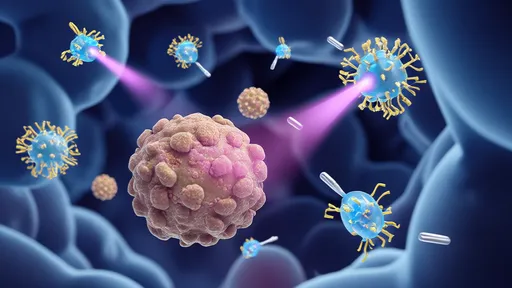
Nanoparticle-based delivery systems have emerged as a promising approach for telomerase activator administration. These microscopic carriers can be engineered to protect fragile telomerase-activating compounds from degradation while facilitating their transport to specific cell types. Lipid nanoparticles, for instance, have demonstrated exceptional compatibility with biological membranes, enabling efficient cellular uptake. Polymeric nanoparticles offer tunable release kinetics, allowing researchers to design sustained-release formulations that maintain optimal therapeutic concentrations over extended periods. The surface modification of these nanoparticles with targeting ligands further enhances their specificity, directing them toward cells with shortened telomeres or cancerous growths characterized by aberrant telomerase activity.
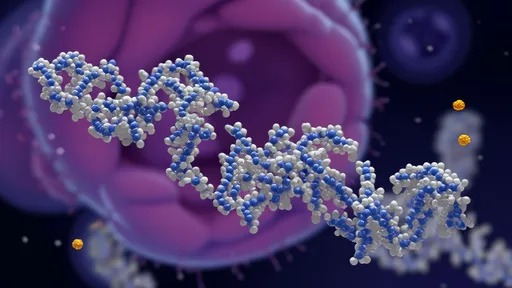
Recent breakthroughs in exosome-mediated delivery have opened new avenues for telomerase activator transport. These naturally occurring extracellular vesicles possess inherent biocompatibility and the ability to cross biological barriers that often impede synthetic delivery systems. Scientists have successfully loaded exosomes with telomerase-activating RNAs and small molecules, leveraging the vesicles' natural homing capabilities to deliver their payloads to target tissues. This approach not only improves delivery efficiency but also reduces potential immune reactions, addressing one of the key challenges in therapeutic delivery.
The development of stimuli-responsive systems represents another significant advancement in telomerase activator delivery. These intelligent platforms remain inert until encountering specific physiological triggers such as pH changes, enzymatic activity, or redox conditions characteristic of target microenvironments. For example, researchers have designed delivery vehicles that release their telomerase-activating cargo only in the slightly acidic tumor microenvironment or in response to elevated reactive oxygen species levels in aging cells. This spatial and temporal control minimizes systemic exposure while maximizing therapeutic impact at the desired site.
Gene therapy approaches have also contributed to the telomerase delivery landscape, with viral vector systems showing particular promise. Adeno-associated viruses (AAVs) engineered to carry telomerase reverse transcriptase (TERT) genes have demonstrated the ability to safely and effectively extend telomeres in preclinical models. The latest generation of viral vectors incorporates tissue-specific promoters and safety switches to ensure precise control over telomerase expression. Non-viral gene delivery methods, including CRISPR-based activation systems, offer alternative pathways to modulate telomerase activity without permanent genetic modification.
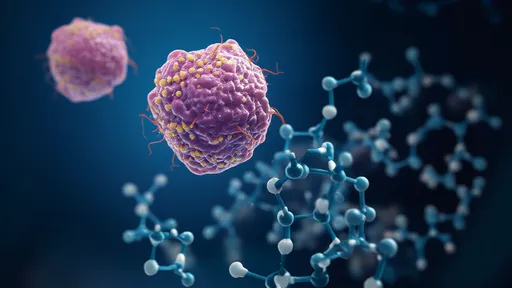
As the field progresses, combination delivery strategies are gaining traction, where telomerase activators are co-delivered with complementary therapeutic agents. For instance, antioxidant compounds might be packaged alongside telomerase activators to address the oxidative stress that often accompanies telomere elongation. In oncology applications, telomerase inhibitors might be strategically combined with chemotherapeutic agents to target cancer cell vulnerabilities. These multifaceted approaches reflect the growing sophistication of delivery system design and its crucial role in realizing the full therapeutic potential of telomerase modulation.
The translation of these delivery systems from laboratory research to clinical applications presents both challenges and opportunities. Scaling up production while maintaining consistency in delivery vehicle characteristics requires meticulous process optimization. Regulatory considerations surrounding novel delivery platforms add complexity to development timelines. However, the potential rewards—extended healthspan, improved treatments for age-related diseases, and more effective cancer therapies—continue to drive intense research efforts in this transformative area of biomedical science.
Looking ahead, the convergence of delivery technology with advances in materials science, molecular biology, and computational modeling promises to yield even more sophisticated telomerase activator delivery systems. Personalized approaches that account for individual variations in telomere biology may become feasible as our understanding of telomerase regulation deepens. The coming years will likely witness the clinical validation of these innovative delivery platforms, potentially ushering in a new era of targeted interventions against aging and age-associated pathologies.

By /Jul 21, 2025

By /Jul 21, 2025

By /Jul 21, 2025

By /Jul 21, 2025
By /Jul 21, 2025

By /Jul 21, 2025
By /Jul 21, 2025

By /Jul 21, 2025

By /Jul 21, 2025

By /Jul 21, 2025

By /Jul 21, 2025

By /Jul 21, 2025
By /Jul 21, 2025

By /Jul 21, 2025

By /Jul 21, 2025

By /Jul 21, 2025

By /Jul 21, 2025
By /Jul 21, 2025

By /Jul 21, 2025

By /Jul 21, 2025