In the ever-evolving world of fitness, enthusiasts are constantly seeking innovative ways to enhance their workouts. One such unconventional yet effective method gaining traction is using a cat tree as an assistive tool for pull-ups. While it might sound bizarre at first glance, this approach combines creativity with functionality, offering a unique twist to traditional strength training.
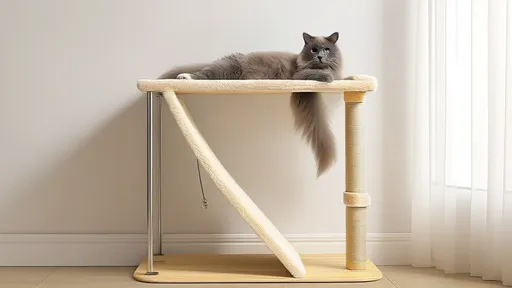
The concept stems from the need for adaptable home gym solutions, especially for those with limited space or resources. Cat trees, typically designed for feline entertainment, possess sturdy structures that can surprisingly support human weight when used correctly. Their varying levels and platforms provide adjustable heights, making them versatile for different stages of pull-up progression.
Why would anyone consider using a cat tree for pull-ups? The answer lies in the fundamental mechanics of assisted pull-ups. Beginners or those rebuilding upper body strength often struggle with the full range of motion required for standard pull-ups. Assisted variations reduce the load, allowing users to develop the necessary muscle engagement and technique. While commercial assisted pull-up machines exist, they're bulky and expensive compared to the multi-functional cat tree that doubles as household furniture.
The vertical posts of a well-constructed cat tree serve as excellent anchor points. By positioning oneself beneath the platforms and gripping the edges, users can push lightly with their legs to offset some of their body weight. This assistance mimics the effect of resistance bands or assisted pull-up machines but with more natural movement patterns. The gradual progression comes from simply adjusting how much leg support one uses during the exercise.
Safety considerations are paramount when repurposing furniture for exercise. Not all cat trees are created equal - the structure must be designed to handle dynamic loads far beyond what a cat would impose. Experts recommend selecting solid wood constructions with reinforced joints and testing the stability with gradual weight application before attempting full workouts. The base should be wide enough to prevent tipping, and all platforms must be securely fastened to withstand the shifting forces during pull-up motions.
Beyond the physical benefits, this unconventional method offers psychological advantages. The novelty factor keeps workouts interesting, combating the monotony that often leads to abandoned fitness routines. There's also an element of problem-solving and creativity that engages the mind differently than following prescribed gym equipment routines. Many users report feeling a sense of accomplishment from mastering pull-ups through this improvised method.
From a biomechanical perspective, the cat tree's design allows for natural scapular movement during the exercise. Unlike some assisted machines that constrain motion patterns, the free-standing nature of the cat tree permits the shoulder blades to move through their full range. This results in more functional strength development and better carryover to unassisted pull-ups. The varied grip options presented by different platform edges also help develop grip strength and forearm endurance.
Practical implementation requires careful setup. The ideal placement is against a wall for additional stability, with ample clearance above for full arm extension. Users should start with their feet firmly planted on the ground, bending knees to adjust the assistance level. As strength improves, the foot contact can be lightened progressively until eventually lifting completely off the ground. This gradual progression mirrors traditional pull-up development but with more customizable intermediate steps.
Interestingly, this method has found particular popularity among home workout enthusiasts and minimalist fitness practitioners. It exemplifies the growing movement towards equipment-free or improvised-equipment strength training. The cat tree pull-up station requires no additional space beyond what many households already dedicate to their pets, making it an ingenious space-saving solution. Some creative individuals have even modified their cat trees with additional padding or grip surfaces to enhance the workout experience.
The crossover between pet furniture and exercise equipment highlights an important principle in fitness: innovation often comes from constraints. When traditional options are unavailable or impractical, inventive solutions emerge. While commercial gyms will always have their place, there's undeniable value in developing the resourcefulness to train effectively with whatever tools are at hand. The cat tree pull-up method embodies this adaptive approach to fitness.
As with any exercise variation, proper form remains crucial. Users should maintain core engagement throughout the movement, avoiding excessive swinging or jerking motions that could compromise the cat tree's integrity. The controlled eccentric (lowering) phase is particularly important for maximizing strength gains while minimizing stress on the equipment. Those new to pull-ups should consider consulting with a fitness professional to ensure correct technique before incorporating this method into their routine.
The environmental and economic benefits shouldn't be overlooked. Repurposing existing household items reduces consumption and waste associated with specialized exercise equipment. For multi-pet households, it creates an amusing dynamic where human and feline family members can literally share climbing structures, albeit at different times. The cost savings compared to purchasing dedicated workout gear can be significant, making fitness more accessible to budget-conscious individuals.
Looking ahead, this trend might inspire furniture designers to create dual-purpose pieces that serve both pets and their owners' fitness needs. The growing interest in compact, multifunctional home solutions suggests a market for intentionally designed pet furniture that doubles as exercise stations. Perhaps future cat trees will incorporate reinforced pull-up bars or adjustable assistance mechanisms while maintaining their aesthetic appeal as household items.
While the cat tree pull-up method won't replace traditional training equipment for serious athletes, it represents an excellent option for those seeking creative, space-efficient ways to build strength at home. Its popularity speaks to the fitness community's endless ingenuity in adapting everyday objects to serve workout purposes. As home workouts continue to evolve, we'll likely see more such unconventional yet effective training solutions emerging from unexpected places.
By /Aug 6, 2025
By /Aug 6, 2025

By /Aug 6, 2025
By /Aug 6, 2025
By /Aug 6, 2025
By /Aug 6, 2025

By /Aug 6, 2025

By /Aug 6, 2025

By /Aug 6, 2025
By /Aug 6, 2025

By /Aug 6, 2025
By /Aug 6, 2025
By /Aug 6, 2025

By /Aug 6, 2025

By /Aug 6, 2025
By /Aug 6, 2025

By /Aug 6, 2025

By /Aug 6, 2025

By /Aug 6, 2025
By /Aug 6, 2025