The rise of social media influencers has brought with it a peculiar phenomenon – viral fitness challenges and attention-grabbing physical stunts that often prioritize spectacle over safety. While these movements may generate likes and shares, many come with hidden risks that could lead to serious injuries or long-term damage to the body.
The allure of going viral has pushed countless individuals to attempt dangerous poses without proper preparation. From extreme yoga positions to acrobatic dance moves, the internet is flooded with content that blurs the line between impressive and irresponsible. Medical professionals have begun noticing a concerning trend of injuries directly linked to these social media-fueled physical challenges.
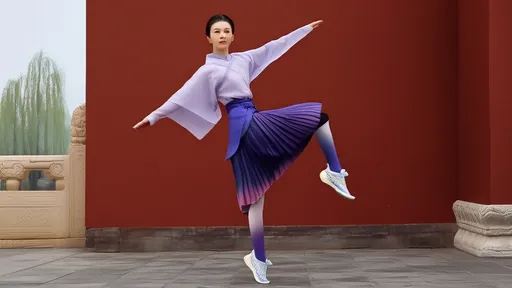
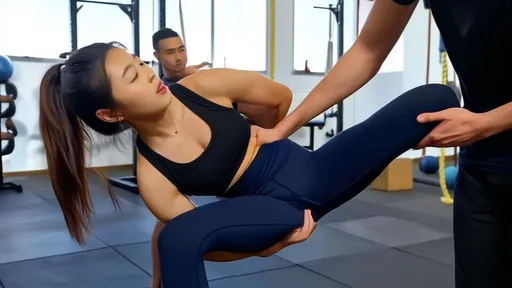
One particularly troubling category involves hyperextension movements that place unnatural stress on joints. The backbend challenge, where participants arch their spines to extreme degrees, has resulted in numerous cases of vertebral fractures and disc injuries. Similarly, the oversplits trend among dancers has led to torn ligaments and chronic joint instability in young enthusiasts attempting to push their flexibility beyond safe limits.
Neck injuries represent another alarming consequence of viral movement trends. The headstand challenge and its variations, often performed without proper support or technique, have caused cervical spine damage in participants. Neurologists warn that the weight distribution in these poses can place dangerous pressure on vertebrae, potentially leading to nerve damage or, in extreme cases, paralysis.
Perhaps most disturbingly, many of these risky movements gain popularity precisely because they appear dangerous. The one-arm handstand trend, for instance, combines extreme shoulder mobility requirements with precarious balance, creating a perfect storm for rotator cuff tears and wrist injuries. Physical therapists report seeing increasing numbers of patients who attempted such feats without adequate strength or preparation.
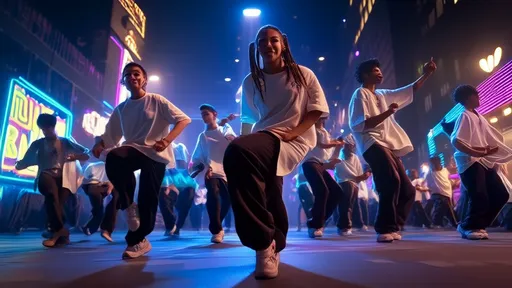
The knee joint has become another casualty of internet fame. Viral dance moves involving sudden twists and deep squats have led to a spike in meniscus tears and ACL injuries among amateur dancers. What makes these injuries particularly tragic is that many victims are young people who might have avoided permanent joint damage with proper guidance and gradual training.
Behind the glamour of viral success lies a darker reality of chronic pain and mobility issues. The extreme contortion movements popularized by flexibility influencers often disregard human anatomy's natural limits. Over time, practitioners of these extreme positions may develop hypermobility syndromes that lead to joint degeneration and chronic instability.
Medical imaging has revealed disturbing patterns in regular performers of viral fitness challenges. MRIs show premature cartilage wear in weight-bearing joints, while X-rays document spinal misalignments in individuals who regularly attempt extreme backbends. These findings suggest that the pursuit of internet fame through physical stunts may come at a significant cost to long-term health.
The psychological factors driving this phenomenon warrant examination. The dopamine rush from social media validation appears to override rational assessment of physical risk for many participants. This disconnect between perceived and actual ability creates a dangerous scenario where individuals attempt movements far beyond their skill level, often with disastrous consequences.
Rehabilitation specialists note that recovery from injuries sustained during viral challenges tends to be more complicated than traditional sports injuries. The unnatural nature of many viral movements means that damage often occurs in ways that standard physical therapy protocols aren't designed to address, leading to prolonged recovery periods and incomplete healing.
Nutritionists have observed another concerning trend – the combination of extreme dieting with viral fitness challenges. Many participants attempt dangerous movements while in a calorie-deficient state, further increasing injury risk. This dangerous pairing has led to cases of stress fractures and muscle tears that might have been preventable with proper fueling.
The long-term consequences of these trends remain largely undocumented, as most viral movements haven't existed long enough for comprehensive studies. However, orthopedic specialists express grave concerns about the potential for early-onset arthritis and chronic pain conditions developing in habitual performers of extreme viral challenges.
Social media platforms face growing criticism for amplifying these dangerous trends without adequate warnings. While some platforms have implemented content warnings for certain challenges, many risky movements continue to spread unchecked. This lack of oversight creates an environment where impressionable viewers may attempt dangerous feats without understanding the potential consequences.
Education emerges as the most promising solution to this growing health concern. Movement specialists advocate for widespread campaigns to teach proper biomechanics and risk assessment. By empowering social media users with knowledge about their bodies' limits and safe progression, many preventable injuries could potentially be avoided.
The viral fitness phenomenon presents a complex challenge at the intersection of digital culture and physical health. As the pursuit of online attention continues to drive increasingly extreme behavior, the medical community remains vigilant in documenting and addressing the fallout from these dangerous trends. The ultimate solution may lie in reshaping social media culture to value sustainable health over fleeting viral fame.

By /Aug 6, 2025

By /Aug 6, 2025
By /Aug 6, 2025
By /Aug 6, 2025

By /Aug 6, 2025
By /Aug 6, 2025

By /Aug 6, 2025

By /Aug 6, 2025

By /Aug 6, 2025

By /Aug 6, 2025
By /Aug 6, 2025

By /Aug 6, 2025
By /Aug 6, 2025

By /Aug 6, 2025
By /Aug 6, 2025
By /Aug 6, 2025

By /Aug 6, 2025

By /Aug 6, 2025
By /Aug 6, 2025
By /Aug 6, 2025