The brightly colored bottles line convenience store coolers and gym vending machines, promising enhanced performance, rapid rehydration, and electrolyte replacement. Sports drinks have become ubiquitous in athletic culture, with professional endorsements and marketing campaigns convincing millions that these beverages are essential for anyone who breaks a sweat. Yet a growing body of research suggests these products may represent one of the most successful cases of nutritional pseudoscience - what some critics now call the "sports drink IQ tax."
The origins of sports drinks trace back to 1965 when researchers at the University of Florida developed a carbohydrate-electrolyte beverage for their football team. This original Gatorade formula addressed legitimate concerns about dehydration and electrolyte loss in athletes performing intense physical activity for hours in sweltering heat. The science made sense for elite college athletes competing under extreme conditions. Problems emerged when beverage companies realized they could market these specialized products to the general public.
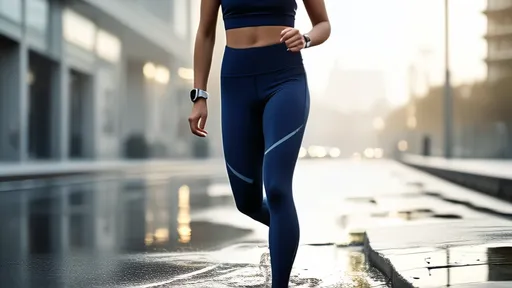
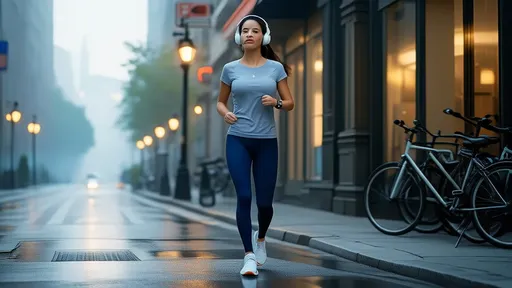
Today's sports drink industry has ballooned into a multi-billion dollar global business by convincing casual exercisers they need what professional athletes use. Walk into any gym and you'll see recreational runners sipping brightly colored drinks during 30-minute treadmill sessions. Youth soccer games feature sideline coolers full of sugar-laden sports beverages for children who might sweat for 45 minutes in mild weather. The marketing has been so effective that many now believe they need these products for basic hydration.
The truth about electrolyte replacement reveals how far sports drink claims have drifted from their original purpose. Electrolytes like sodium and potassium do play crucial roles in hydration and muscle function. However, the average person exercising moderately for less than an hour loses minimal electrolytes through sweat. Unless you're an endurance athlete training for hours in hot conditions, you're likely replacing electrolytes just fine through normal meals. That post-workout banana often provides more meaningful potassium replacement than a bottle of neon liquid.
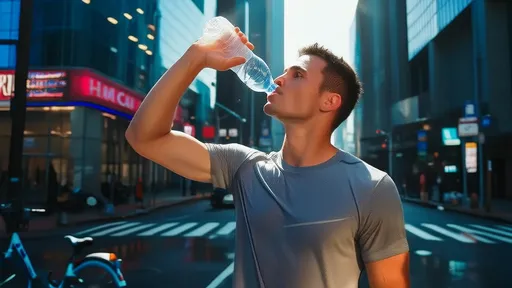
Hydration science further debunks sports drink mythology. While their advertisements show athletes drenched in sweat, the reality is that most people exercising in temperature-controlled gyms or during mild weather maintain adequate hydration through water alone. The human body possesses remarkably efficient systems for regulating fluid and electrolyte balance. Thirst mechanisms developed over millennia work quite well for the vast majority of exercisers without needing artificially colored, flavored, and sweetened "hydration solutions."
Sugar content represents perhaps the most glaring issue with sports drinks masquerading as health products. A typical 20-ounce bottle contains 34 grams of sugar - nearly as much as a can of soda. While endurance athletes may benefit from quick carbohydrate replenishment during prolonged activity, this sugar load works against the goals of most recreational exercisers. The average gym-goer consuming sports drinks often takes in more calories than they burn, potentially undermining weight management efforts.
The dental community has raised alarms about sports drinks' effects on tooth enamel. Their combination of sugar and acidity creates an ideal environment for cavity formation. Studies show these beverages can be more erosive than soda, with prolonged sipping during exercise exposing teeth to repeated sugar and acid attacks. Dentists report seeing increased enamel wear and decay in patients who regularly consume sports drinks, especially when used as everyday hydration rather than during actual athletic events.
Marketing has succeeded where science falls short by creating powerful cultural associations between sports drinks and athletic performance. Celebrity athlete endorsements, sideline coolers at sporting events, and product placement in locker rooms have convinced generations that these beverages are essential for anyone who exercises. The psychological effect is so strong that many report "feeling" better performance when drinking them, despite studies showing no measurable benefit for moderate activity.
Perhaps the most insidious aspect of the sports drink phenomenon involves youth consumption. Children's sports leagues have become prime marketing grounds, with companies providing free products to teams and tournaments. Many parents, wanting to support their young athletes' performance and hydration, unknowingly provide sugar bombs disguised as health drinks. Pediatric nutritionists note the irony of children consuming sports drinks during brief recreational games while barely breaking a sweat, then returning to sedentary lifestyles where the excess calories contribute to obesity concerns.
The alternative to sports drinks isn't complicated or expensive. For most exercisers, plain water remains the ideal hydration choice. Those concerned about electrolyte loss can find more balanced replenishment through whole foods like fruits, nuts, or even a pinch of salt added to a meal. Endurance athletes with legitimate needs can find less processed options like coconut water or homemade electrolyte mixes without artificial ingredients and excessive sweeteners.
As consumers become more nutritionally literate, the sports drink industry faces increasing scrutiny. What began as a legitimate performance aid for elite athletes has transformed into a mass-market product with questionable benefits for most users. The disconnect between marketing claims and scientific reality has led some health professionals to classify sports drinks as another example of the "IQ tax" - products that profit by convincing people they need something they don't, often against their better judgment and actual physiological needs.
Making informed hydration choices requires recognizing that most sports drink consumption stems from clever marketing rather than biological necessity. The billions spent on advertising have created cultural myths that override scientific evidence. For the majority of exercisers, breaking free from the sports drink IQ tax simply means reaching for water and trusting their body's natural hydration systems - just as humans have done for millennia before neon-colored "performance elixirs" entered the picture.

By /Aug 6, 2025

By /Aug 6, 2025

By /Aug 6, 2025

By /Aug 6, 2025
By /Aug 6, 2025
By /Aug 6, 2025
By /Aug 6, 2025

By /Aug 6, 2025

By /Aug 6, 2025
By /Aug 6, 2025
By /Aug 6, 2025

By /Aug 6, 2025

By /Aug 6, 2025

By /Aug 6, 2025
By /Aug 6, 2025

By /Aug 6, 2025
By /Aug 6, 2025

By /Aug 6, 2025

By /Aug 6, 2025
By /Aug 6, 2025