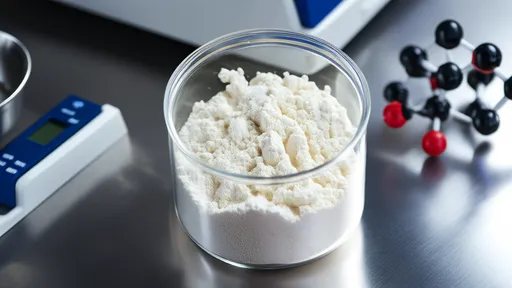
Protein powder clumping is a common issue that frustrates many fitness enthusiasts and health-conscious consumers. The sight of hardened chunks in what should be a smooth, easily mixable powder can be off-putting, leading some to question the product’s quality or safety. However, the truth behind why protein powder clumps is far less sinister than many assume. Understanding the science behind this phenomenon can help users better store and handle their supplements, ensuring a better experience.
Moisture is the primary culprit behind protein powder clumping. Most protein powders, whether whey, casein, plant-based, or collagen, are hygroscopic, meaning they attract and absorb water from their surroundings. When exposed to humid air, even briefly, the particles begin to stick together, forming those frustrating clumps. This is particularly common in climates with high humidity or when the powder is stored in places like bathrooms or kitchens where steam from showers or cooking can seep into the container.
Another factor contributing to clumping is temperature fluctuations. Protein powders are sensitive to heat, and storing them in warm environments—such as near a stove or in a car—can cause the fats or sugars present in some formulations to melt slightly, creating sticky patches that bind particles together. Even if the powder doesn’t contain added sweeteners or fats, temperature changes can still cause condensation inside the container, introducing moisture that leads to clumping.
Packaging and handling also play a significant role. Some containers aren’t airtight, allowing moisture to creep in over time. Resealable bags with thin liners or poorly sealed lids are common offenders. Additionally, how the powder is handled matters. Scooping with a damp spoon or leaving the container open for extended periods invites moisture, accelerating clump formation. Even the natural oils from your hands, if they come into contact with the powder, can contribute to the problem.
Contrary to popular belief, clumping doesn’t necessarily indicate spoilage or a loss of nutritional value. In most cases, clumped protein powder is still safe to consume, provided it hasn’t been exposed to contaminants or stored improperly for an extended period. The protein’s amino acid profile remains intact, and the only real downside is the inconvenience of dealing with uneven texture when mixing. However, if the powder develops an off smell, unusual color, or visible mold, it should be discarded immediately.
Preventing clumping starts with proper storage. The best way to keep protein powder fresh and free-flowing is to store it in a cool, dry place, ideally in an airtight container. Many high-quality protein supplements come with thick, resealable lids or even include desiccant packets to absorb excess moisture. If the original packaging isn’t sufficient, transferring the powder to a glass or plastic container with a tight-sealing lid can help. Keeping it away from heat sources and out of humid environments is equally important.
For those who live in particularly humid climates, storing protein powder in the refrigerator or freezer might seem like a solution, but this can backfire. Every time the container is taken out, condensation can form on the powder as it adjusts to room temperature, worsening the clumping issue. If refrigeration is necessary, it’s best to portion the powder into smaller containers to minimize frequent exposure to temperature changes.
Reviving clumped protein powder is possible with a few simple tricks. A fork or blender can help break up larger clumps, and sifting the powder through a fine mesh strainer can restore a smoother consistency. Some users add a food-safe desiccant packet to the container to absorb excess moisture over time. If the clumps are stubborn, blending the powder into a shake or smoothie can mask the texture without compromising nutrition.
Manufacturers are aware of this issue and often take steps to reduce clumping in their products. Anti-caking agents like silica or lecithin are sometimes added to improve flowability, though some consumers prefer to avoid these additives. Reading labels and choosing powders with minimal additives—or none at all—is a personal preference, but it may mean dealing with occasional clumping as a trade-off for a cleaner ingredient list.
Ultimately, protein powder clumping is a natural occurrence rather than a sign of a defective product. By understanding the causes and implementing proper storage techniques, users can extend the shelf life of their supplements and enjoy a smoother mixing experience. While it may be a minor annoyance, it’s rarely a reason to discard an otherwise perfectly good batch of protein powder.

By /Aug 6, 2025

By /Aug 6, 2025

By /Aug 6, 2025

By /Aug 6, 2025

By /Aug 6, 2025

By /Aug 6, 2025
By /Aug 6, 2025

By /Aug 6, 2025

By /Aug 6, 2025
By /Aug 6, 2025

By /Aug 6, 2025

By /Aug 6, 2025

By /Aug 6, 2025

By /Aug 6, 2025

By /Aug 6, 2025

By /Aug 6, 2025

By /Aug 6, 2025
By /Aug 6, 2025

By /Aug 6, 2025

By /Aug 6, 2025