In the bustling world of modern work culture, where hours are spent hunched over desks and screens, a new trend is emerging that blends productivity with physical well-being. Stationery workouts, or the art of incorporating exercise into your daily office routine using simple desk tools, is gaining traction among health-conscious professionals. This innovative approach challenges the notion that fitness requires a gym membership or expensive equipment.
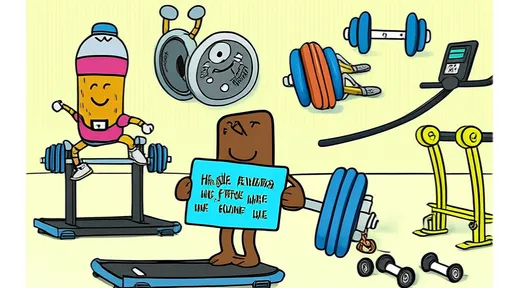
The concept is deceptively simple yet remarkably effective. By repurposing everyday office supplies like staplers, water bottles, and even chairs, employees can engage in subtle muscle-toning exercises without leaving their workspace. A heavy stapler becomes a makeshift dumbbell for bicep curls between phone calls. A stack of printer paper transforms into a platform for calf raises while waiting for documents to print. The possibilities are limited only by one's creativity.
What makes this method particularly appealing is its accessibility. Unlike traditional workout regimens that demand specific clothing, locations, or time commitments, stationery fitness seamlessly integrates movement into existing routines. This eliminates common excuses like "I don't have time to exercise" or "I can't afford a gym." The office itself becomes the fitness center, and the workday becomes an opportunity for physical improvement.
Beyond the obvious physical benefits, practitioners report noticeable improvements in mental clarity and work performance. The brief micro-workouts serve as cognitive resets, combating the afternoon slump better than another cup of coffee ever could. Managers are beginning to notice that teams who adopt these practices demonstrate enhanced focus during long meetings and maintain better posture throughout the workday.
The psychological impact shouldn't be underestimated either. In environments where stress runs high, having discreet physical outlets provides emotional regulation. Squeezing a stress ball during tense negotiations or performing subtle desk push-ups after a difficult call can diffuse tension more effectively than passive coping mechanisms. These small acts of physical empowerment create a sense of control in otherwise stressful situations.
Critics might dismiss these efforts as insufficient compared to dedicated workout sessions, but research suggests otherwise. Studies on non-exercise activity thermogenesis (NEAT) confirm that accumulated small movements throughout the day contribute significantly to overall calorie expenditure and metabolic health. When combined with proper ergonomics and regular breaks, stationery workouts form a comprehensive approach to workplace wellness.
Implementation requires minimal instruction but yields maximum results. Start by identifying opportunities in your existing workflow - perhaps doing seated leg lifts during long conference calls or using a thick textbook for resistance exercises. The key is consistency rather than intensity. Over time, these micro-movements add up to substantial physical benefits without disrupting productivity.
As this movement grows, innovative office designs are beginning to incorporate fitness-friendly elements. Adjustable-height desks that allow for alternating between sitting and standing, chairs that encourage core engagement, and even filing cabinets positioned to require stretching all represent the natural evolution of workspace ergonomics. Forward-thinking companies are recognizing that employee health directly correlates to organizational performance.
The social dimension adds another layer of benefit. When colleagues participate together, it creates shared experiences that boost morale and team cohesion. Office-wide challenges like "most creative use of a binder clip for exercise" or "best improvised standing desk" foster camaraderie while promoting health. These organic interactions often lead to more substantial workplace wellness initiatives.
Looking ahead, the fusion of fitness and office tools seems poised for continued innovation. As remote work blurs the lines between professional and personal spaces, the principles of stationery workouts adapt beautifully to home offices. The same creativity applied to turning a stapler into exercise equipment can transform household items into fitness tools, proving that effective workouts truly can happen anywhere.
Ultimately, the stationery workout revolution represents more than just physical exercise - it's a mindset shift. It challenges the artificial separation between work and wellness, proving that health doesn't need to be scheduled into separate compartments of our lives. By viewing our entire environment as an opportunity for movement, we reclaim our vitality without sacrificing productivity, one paperclip curl at a time.
By /Aug 6, 2025
By /Aug 6, 2025

By /Aug 6, 2025
By /Aug 6, 2025
By /Aug 6, 2025
By /Aug 6, 2025

By /Aug 6, 2025

By /Aug 6, 2025

By /Aug 6, 2025

By /Aug 6, 2025

By /Aug 6, 2025

By /Aug 6, 2025
By /Aug 6, 2025

By /Aug 6, 2025

By /Aug 6, 2025
By /Aug 6, 2025

By /Aug 6, 2025
By /Aug 6, 2025

By /Aug 6, 2025
By /Aug 6, 2025