Household chores are an inevitable part of daily life, yet not all tasks are created equal when it comes to time, effort, and energy expenditure. A recent study delving into the household chore consumption ranking reveals fascinating insights into which activities dominate our domestic routines and why some feel more taxing than others. The findings highlight not just the physical but also the mental toll certain chores take, reshaping how we perceive mundane tasks.
At the top of the energy-draining hierarchy stands deep cleaning, a task that combines physical exertion with meticulous attention to detail. Scrubbing floors, degreasing kitchen surfaces, and tackling grimy bathrooms demand both stamina and patience. What makes deep cleaning particularly exhausting is its sporadic nature—unlike daily upkeep, it’s often postponed until dirt becomes unavoidable, turning it into a marathon session. The psychological weight of procrastination adds to the burden, making it feel like a Herculean effort when finally addressed.
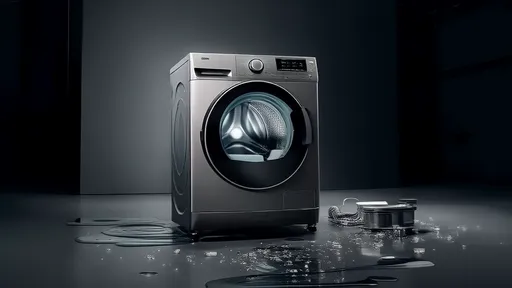
Laundry, while seemingly straightforward, secures a high spot due to its deceptive complexity. Sorting, washing, drying, folding, and putting away clothes span multiple steps, often interrupted by other responsibilities. The never-ending cycle of laundry creates a sense of futility, as clean clothes are worn and reenter the queue almost immediately. For families with children, the volume amplifies, turning laundry into a Sisyphean task that rarely stays "completed" for more than a few days.
Meal preparation and grocery shopping form another significant chunk of household labor. Planning meals, navigating crowded stores, hauling heavy bags, and cooking daily meals require both mental and physical effort. The mental load of deciding "what’s for dinner" night after night is a silent drain, compounded by the pressure to balance nutrition, budget, and preferences. Unlike one-off tasks, cooking is a relentless demand, with hunger returning like clockwork, ensuring the chore’s perpetual recurrence.
Interestingly, outdoor maintenance—such as mowing lawns, shoveling snow, or gardening—ranks highly in physical exertion but lower in frequency for many. These tasks are often seasonal or weather-dependent, granting temporary reprieves. However, their intensity can lead to procrastination, and when neglected, they escalate into larger problems. The intermittent nature of outdoor work means it’s either a fleeting nuisance or an overwhelming project, with little middle ground.
On the less physically demanding but mentally grating end of the spectrum lies tidying up. Unlike deep cleaning, tidying is a daily battle against clutter, a subtle but persistent stressor. The constant need to put things away, organize toys, or clear countertops creates a low-grade fatigue. It’s a chore that thrives on visibility—messy spaces nag at the mind even when ignored, making it hard to fully relax in one’s own home.
The study also uncovered gender disparities in chore distribution, with women disproportionately shouldering the bulk of domestic labor, particularly in tasks like laundry and meal prep. This imbalance contributes to the phenomenon of "time poverty," where individuals, especially working parents, feel perpetually behind on household demands. The mental calculus of juggling chores alongside professional and personal commitments exacerbates the sense of exhaustion, regardless of the actual time spent scrubbing or folding.
Technological advancements have eased some burdens, with robotic vacuums and dishwashers automating repetitive tasks. Yet, the core labor of managing a household persists, often invisibly. The emotional labor of remembering birthdays, scheduling appointments, or coordinating family activities rarely appears on chore lists but drains energy just as profoundly. This invisible workload, frequently shouldered by women, underscores how domestic labor extends far beyond physical acts.
Understanding the hierarchy of household chores isn’t just about complaining—it’s about recognizing where energy goes and why certain tasks feel insurmountable. By acknowledging the mental and physical toll of domestic work, households can strategize better, whether through equitable division, outsourcing, or simply granting themselves grace when the laundry piles up. After all, a home’s cleanliness shouldn’t come at the cost of its inhabitants’ well-being.

By /Aug 6, 2025

By /Aug 6, 2025

By /Aug 6, 2025

By /Aug 6, 2025
By /Aug 6, 2025
By /Aug 6, 2025

By /Aug 6, 2025

By /Aug 6, 2025

By /Aug 6, 2025

By /Aug 6, 2025

By /Aug 6, 2025
By /Aug 6, 2025

By /Aug 6, 2025

By /Aug 6, 2025

By /Aug 6, 2025

By /Aug 6, 2025

By /Aug 6, 2025

By /Aug 6, 2025

By /Aug 6, 2025

By /Aug 6, 2025